

Unexpected power outages inside a home happen when an electrical fault interrupts the normal flow of electricity, creating safety risks and disrupting daily life. This article explains the seven most common electrical problems that lead to sudden power loss, showing how each fault works, what symptoms homeowners will notice, and which actions are safe versus when to call a professional. Understanding these causes—from tripped circuit breakers and overloaded circuits to faulty wiring, damaged outlets, panel failures, power surges, and generator malfunctions—helps you diagnose issues quickly and prioritize repairs that reduce future outages. The guide also includes practical troubleshooting steps you can perform safely, prevention tips such as scheduled inspections and surge protection, and clear criteria for professional intervention. Each section contains concise definitions, example scenarios, symptom checklists, and actionable next steps so you can respond confidently during an outage and plan longer-term fixes.
Most unexpected home power losses stem from seven recurring electrical issues that either interrupt circuit continuity or overload safety devices. These include tripped circuit breakers, overloaded circuits, faulty wiring, damaged outlets and switches, electrical panel problems, power surges, and generator malfunctions. Each problem creates a different failure mode: breakers trip to isolate faults, wiring faults cause shorts or intermittent interruptions, and panels or surge events can cause whole-house outages. Recognizing the patterns—flickering lights, localized outages, repeated breaker trips, burning smells—lets you narrow the cause quickly and choose the safest next steps.
A circuit breaker trips when it detects too much current or a dangerous fault, instantly cutting power to protect wiring and appliances from overheating or fire. Thermal and magnetic trip mechanisms react to sustained overloads and sudden short circuits respectively, so a breaker can trip either from prolonged high draw—such as multiple appliances on one circuit—or from a direct short where hot and neutral touch. Resetting a breaker after turning off plugged-in devices can restore power, but repeated trips indicate persistent overloads or wiring problems that require professional diagnosis. Because a breaker trip is an active safety response, homeowners should avoid repeated resets without investigating the cause, and a licensed electrician should inspect any breaker that sparks, smokes, or will not reset.
A short checklist helps visualize safe immediate steps and the red flags that signal a need for expert attention. Homeowners should turn off or unplug devices on the affected circuit before resetting, move high-draw appliances to different circuits temporarily, and note any burning smells, visible damage, or persistent trips. If the breaker is warm or difficult to move, it’s crucial to stop and call a professional. These steps protect you during the immediate outage and guide the next action—either monitoring after a safe reset or arranging an inspection when symptoms persist.
An overloaded circuit happens when the combined current draw of appliances and devices exceeds the circuit’s capacity, causing the breaker to trip to prevent overheating. Typical household scenarios include using space heaters, window air conditioners, or multiple kitchen appliances on the same branch circuit; these loads create sustained high current that thermal breakers detect. Symptoms include lights dimming when an appliance starts, repeated breaker trips tied to specific equipment, and warm outlets or switches. Preventative measures include redistributing loads across circuits, avoiding extension cords for high-draw appliances, and scheduling an electrical inspection if household energy needs have increased.
When load distribution changes are insufficient, a professional remedy is to add circuits or upgrade wiring to accommodate modern demand—an upgrade that improves reliability and reduces the chance of future unexpected outages. Understanding when to redistribute loads versus when to pursue circuit or panel upgrades is essential to solving recurring overloads effectively.
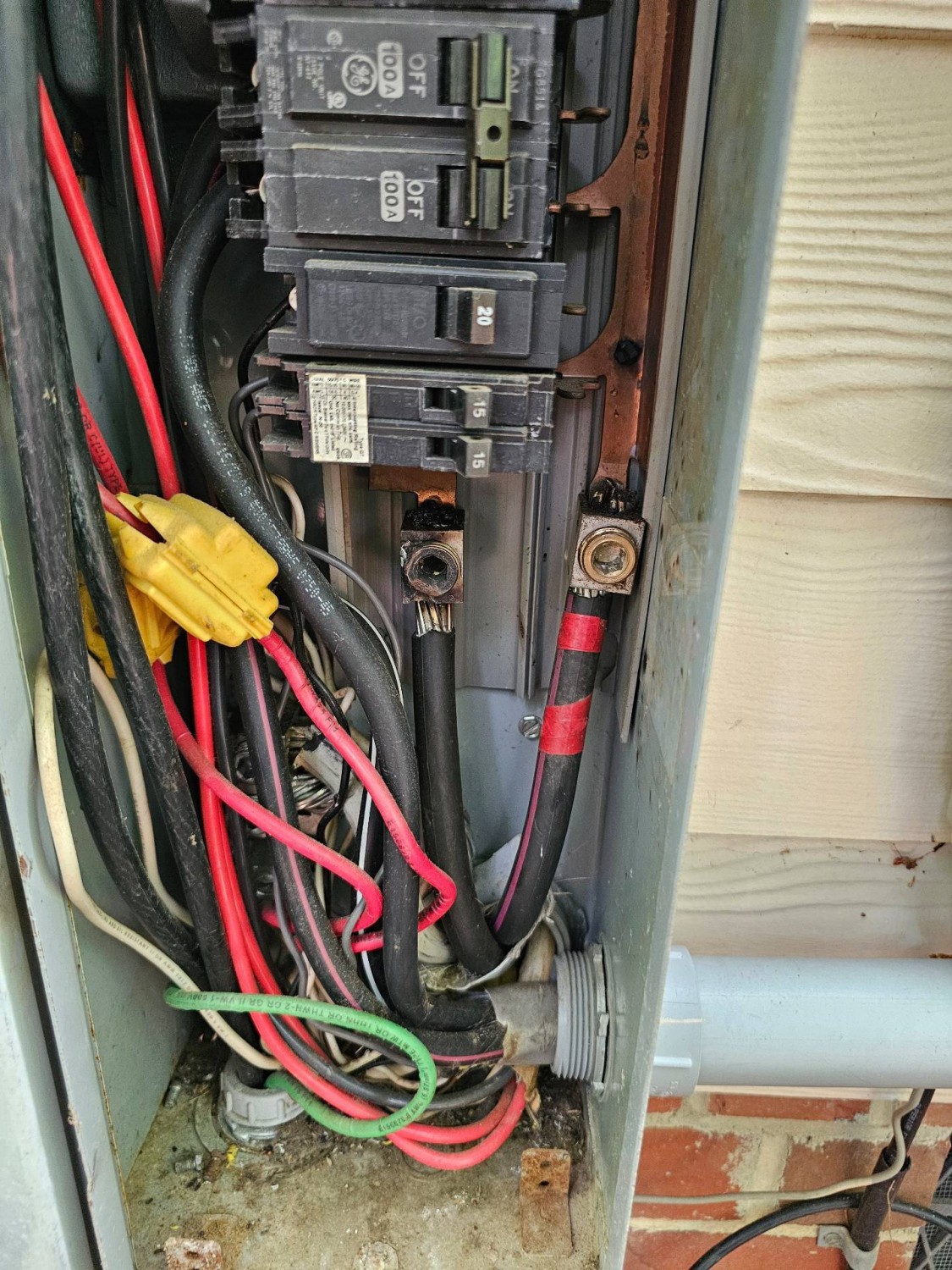
Faulty wiring and damaged outlets interrupt power flow either locally or across multiple circuits and introduce serious fire and electrocution hazards if left unaddressed. Aging insulation, loose connections, rodent damage, or improper DIY splices create intermittent shorts or high-resistance joints that trip breakers and cause erratic power behavior. Visible indicators—burn marks, warm faceplates, frequent flicker, or shocks when touching devices—signal wiring problems that go beyond simple outlet replacement. For safety, homeowners should stop using affected outlets, turn off power to the area if possible, and avoid DIY repairs that expose live conductors.
If you prefer a professional inspection, services such as comprehensive electrical inspections and targeted wiring repairs or rewiring are appropriate remedies to diagnose concealed wiring faults and restore dependable service. A licensed electrician can map circuits, perform insulation resistance tests, and replace degraded wiring, fixing the root cause and reducing the risk of repeated outages or fire. Prompt professional intervention also helps ensure compliance with code-based safety devices like GFCI and AFCI protection where needed.
Common signs of damaged wiring include flickering lights, outlets that feel warm to the touch, discolored or melted faceplates, buzzing sounds behind walls, and a persistent burning smell. Each of these signs points to different wiring issues: flicker and buzzing suggest intermittent connections or loose conductors; warm outlets and discoloration indicate high resistance and overheating; and burning odors often mean insulation breakdown or arcing. Homeowners should treat any of these signs as urgent: avoid using suspicious outlets, shut off power to the area if safe, and document symptoms and times for the electrician.
Early detection through these signs prevents escalation from intermittent outages to sustained failure or a fire hazard, and leads naturally to the next decision: whether outlet replacement or full circuit rewiring is required after a professional assessment.
Replace outlets and switches when they become loose, spark, produce smoke, show discoloration, or no longer hold plugs securely—these are clear failure modes that lead to intermittent outages and safety hazards. Age indicators, such as ungrounded two-prong outlets or worn tamper-resistant features, also suggest replacement to modern safer alternatives like GFCI or AFCI-protected devices. While cosmetic issues may be handled as a home-maintenance task, any sign of arcing, burning, or shocks requires immediate professional replacement to avoid further outages or fire.
Modernizing receptacles and switches improves reliability and adds protective functions that reduce nuisance trips and localized power loss, which makes an electrical inspection a prudent step when multiple outlets in the home show wear or fail intermittently.
A power surge is a brief but large increase in voltage that can trip protective devices, damage electronics, and occasionally cause upstream equipment or breaker failures that lead to outages. Surges originate from external sources like lightning strikes or utility switching, and internal events like large motor starts or appliance faults; each can overwhelm point-of-use protections and stress panels over time. Repeated surges degrade sensitive electronics and can create conditions that trigger protective devices, disrupting power. Understanding surge sources and protection tiers—point-of-use surge strips vs. whole-home surge protectors—helps homeowners choose strategies that reduce outage risk and shield valuable equipment.
Common surge causes include lightning during storms, utility switching or faults on the distribution grid, and internal sources such as HVAC compressor starts or failing motors that create transient spikes. While external surges can be catastrophic, internal surges occur frequently and gradually harm electronics and trip protective devices over time. Recognizing cause patterns—surges tied to storms versus recurring spikes during appliance cycles—helps determine whether whole-house or targeted protection is most effective. The varied origins underscore the value of layered protection and periodic inspection to ensure surge suppressors remain operational.
Layered protection strategies reduce both damage and the odds that surges will cascade into outage-causing faults, which brings us to whole-home protection options and installation considerations.
Whole-home surge protectors install at the service panel and divert large transient voltages away from branch circuits, reducing the stress on breakers, wiring, and connected devices. Unlike point-of-use strips, whole-home units protect the entire electrical distribution system including hard-wired appliances and systems, lowering the chance that a surge will cause a circuit fault or trip multiple breakers. Installation and periodic testing by a professional ensures the suppressor’s components are functional and replaced when degraded. For many homeowners, combining a panel-mounted surge protector with point-of-use protection for very sensitive electronics yields the most resilient arrangement against outages and equipment loss.
Properly installed surge protection reduces both immediate risk of outage and long-term degradation of electrical infrastructure, making it a practical investment in home resilience.
Homeowners can safely perform a short sequence of checks to isolate simple causes of power loss, but must avoid any action that exposes live conductors or risks electrocution. Begin with noncontact checks: determine whether the outage is isolated to a single room, several circuits, or the whole house; inspect the electrical panel for tripped breakers and note any unusual smells or visible damage; and identify whether GFCI outlets have tripped in bathrooms, garages, or exterior circuits. These safe observations guide the next steps—resetting breakers and GFCIs under controlled conditions—or signal the need to shut down and call a professional. Clear rules about when to stop protect both people and property.
Below is a step-by-step guide for safely resetting a tripped breaker and when to escalate to a licensed electrician. First, locate the panel and shine a flashlight to check breakers, identifying any in the middle or OFF position. Next, turn off or unplug devices on the affected circuit to eliminate immediate loads before resetting. Then, firmly move the breaker to OFF, then to ON, listening for clicks and observing whether it stays engaged. If the breaker trips again immediately or smells hot, stop and call a professional for diagnosis. Finally, if power is restored, monitor the circuit for repeated trips and inspect for related symptoms like flicker or heat.
Safely resetting a breaker starts with removing loads: unplug or switch off all devices on the affected circuit to prevent an immediate retrip and to reduce inrush current from motor-driven appliances. After confirming the area is clear and using a flashlight if needed, move the breaker fully to OFF and then to ON; a breaker that won’t reset or trips again right away indicates a persistent fault such as a short, overloaded circuit, or degraded breaker. If you detect burning smells, sparks, heat, or the breaker feels hot, do not attempt further resets—turn off the main if necessary and contact a licensed electrician. Repeated resets without understanding the root cause create safety hazards and can mask serious wiring problems.
If a reset restores service and the breaker behaves normally for a period, schedule a professional inspection to confirm the underlying circuit integrity and avoid future surprise outages.
Call a licensed electrician immediately if you encounter sparks, smoke, a burning odor, shocks from outlets, warm panels, exposed wiring, or breakers that trip repeatedly and quickly after resetting. These are red-flag symptoms that suggest high-risk faults such as arcing, loose connections, or insulation failure that can escalate into fire or injury. Prepare for the service call by noting which circuits are affected, the sequence of events, and any visible signs—this helps the electrician diagnose efficiently. Professionals will perform an inspection, load calculations, and necessary repairs or upgrades, and reputable service providers may offer inspection warranties, and financing options, that help homeowners restore safe, reliable power.
For non-urgent troubleshooting or preventative maintenance, schedule a comprehensive electrical inspection to catch issues before they lead to unexpected outages.
Business Name: Blue Beagle Electric
Address: Fuquay-Varina, NC 27526
Phone: 919-215-6522
Business Hours:
Mon - Fri: 08:00 AM to 04:30 PM
Sat-Sun: Closed