

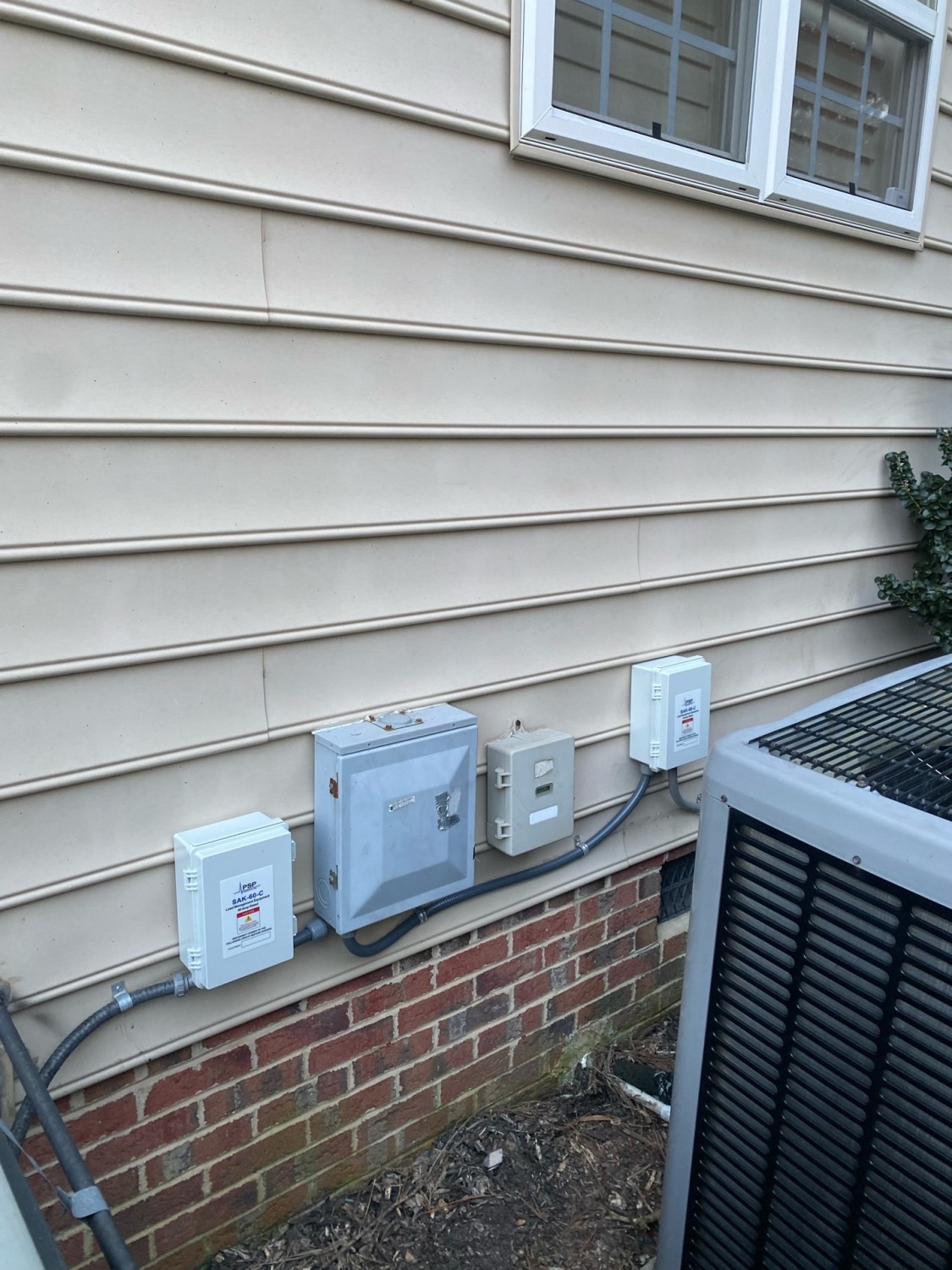
Electrical safety is a critical concern for homeowners in Raleigh and Cary, as it directly impacts the well-being of families and the integrity of homes. This comprehensive guide aims to educate homeowners about essential electrical safety tips, focusing on understanding residential electrical systems, identifying hazards, and ensuring compliance with local codes. Many homeowners may not realize the importance of regular inspections and the potential risks associated with outdated or improperly maintained electrical systems. By following these guidelines, residents can significantly reduce the risk of electrical fires and ensure a safe living environment. This article will cover key components of electrical systems, common hazards, safety devices, code compliance, emergency procedures, and seasonal maintenance tips.
Understanding the components and functioning of residential electrical systems is vital for ensuring safety and compliance. Homeowners should familiarize themselves with the key elements of their electrical systems, including the electrical panel, wiring, and local electrical codes that govern safety standards. This knowledge empowers homeowners to recognize potential issues and take proactive measures to maintain their systems effectively.
A home electrical panel serves as the central hub for electrical distribution, housing circuit breakers that protect the wiring from overloads. Key components include circuit breakers, which automatically shut off electrical flow in case of overload, preventing potential fires; properly installed wiring, which is crucial for safety as it carries electricity throughout the home, homeowners should ensure that wiring is up to code and free from damage; and grounding systems that protect against electrical surges and faults, ensuring that excess electricity is safely directed away from the home. Understanding these components helps homeowners maintain their systems and recognize when professional assistance is needed.
Local electrical codes are designed to ensure safety and compliance in residential wiring. These codes dictate the standards for installation, maintenance, and inspection of electrical systems. Indeed, building codes are fundamental in establishing the minimum safeguards necessary for residential safety. Homeowners should be aware that adhering to local codes is essential for safety and can prevent legal issues during home sales or renovations. Failing to meet code requirements can lead to dangerous situations, including electrical fires and electrocution. Fortunately, local building departments often provide resources and guidance on current electrical codes, helping homeowners stay informed. By understanding local codes, homeowners can ensure their electrical systems are safe and compliant. Ultimately, ensuring electrical safety in domestic installations relies heavily on demonstrating compliance through proper inspection, testing, and certification.
Identifying common electrical hazards is crucial for maintaining a safe home environment. Homeowners should be vigilant about potential risks that can lead to electrical fires or injuries.
Homeowners should regularly inspect their electrical systems for signs of hazards. Flickering lights may indicate overloaded circuits or faulty wiring. A burning odor can signal overheating wires or devices, requiring immediate attention. Frequent tripping of circuit breakers can indicate an overloaded circuit or a malfunctioning appliance. Recognizing these signs early can prevent serious accidents and ensure timely repairs.
While DIY repairs can save money, they often pose significant risks. Improperly installed wiring or devices can lead to electrical fires. Homeowners may face fines or legal issues if their DIY work does not comply with local codes or if permits are required and not obtained. Additionally, electrical work can be dangerous, and improper handling can result in severe injuries or fatalities. Homeowners should consider hiring licensed electricians for any electrical work to ensure safety and compliance.
Installing and maintaining safety devices is essential for protecting homes from electrical hazards. Homeowners should prioritize devices such as circuit breakers and Ground Fault Circuit Interrupters (GFCIs). Circuit breakers automatically cut off power during overloads, preventing fires and equipment damage. GFCI outlets detect ground faults and shut off power to prevent electrical shocks, especially in wet areas like kitchens, bathrooms, garages, and outdoor locations. Regular maintenance of these devices ensures they function correctly and provide maximum protection.
To ensure the effectiveness of safety devices, homeowners should follow best practices including regular testing of GFCI outlets monthly to ensure they are functioning properly. Hiring licensed electricians for installation ensures compliance with local codes and proper functionality. Scheduling regular inspections can help identify potential issues before they become serious hazards. By adhering to these practices, homeowners can enhance their electrical safety.
In the event of an electrical emergency, homeowners should be prepared to act quickly and safely. Understanding emergency procedures can save lives and prevent property damage.
In case of an electrical fire or shock, homeowners should immediately contact local emergency services for assistance. If safe to do so, they can use a Class C fire extinguisher to put out electrical fires, but they should never use water to extinguish electrical fires, as it can conduct electricity and worsen the situation. If someone is receiving an electrical shock, do not touch them directly; instead, turn off the power source first or use a non-conductive object to separate them from the source. Knowing these steps can help homeowners respond effectively during emergencies.
Seasonal changes can impact electrical systems, making it essential for homeowners to adapt their maintenance practices accordingly.
Homeowners should take specific steps to prepare their electrical systems for seasonal changes. For summer preparation, they should ensure air conditioning units are properly wired and that circuit breakers can handle increased loads during hot months, checking for any signs of overheating or wear. For winter preparation, they should inspect heating systems and ensure that all wiring is insulated to prevent damage from cold temperatures, checking for any exposed wiring or damaged insulation. By preparing for seasonal changes, homeowners can prevent electrical issues and ensure their systems operate efficiently.
Regular inspections are vital for maintaining electrical safety throughout the year. Homeowners should schedule annual inspections by a licensed electrician to identify potential hazards and ensure compliance with local codes. Additionally, seasonal maintenance should include regular checks of safety devices, wiring, and appliances to help prevent issues before they arise. By adhering to a regular maintenance schedule, homeowners can enhance the safety and reliability of their electrical systems.
Business Name: Blue Beagle Electric
Address: Fuquay-Varina, NC 27526
Phone: 919-215-6522
Business Hours:
Mon - Fri: 08:00 AM to 04:30 PM
Sat-Sun: Closed