Ever had the power blink off and wondered what would fail first, your freezer, the sump pump, or the heat? We hear that a lot, and it’s why homeowners search for generator installation in Wake Forest, Clayton, and nearby Raleigh. Storms can cut power without warning, and the stress is real. We install standby generators that start automatically and bring your home back online fast, usually using propane or natural gas.
We do this work every day, and we know what holds up during rough weather and what creates headaches later. According to the National Oceanic and Atmospheric Administration, the Atlantic hurricane season runs from June 1 through November 30, so spring is a smart time to get your plan in place before summer storms arrive. Keep reading, and we’ll walk through the options, the basic installation process, and the simple habits that keep your backup power ready.
Storm prep goes beyond flashlights and bottled water and focuses on keeping your home safe and livable when the grid goes down. We install generators so your lights stay on, your fridge keeps food cold, and your home systems keep working during severe weather.
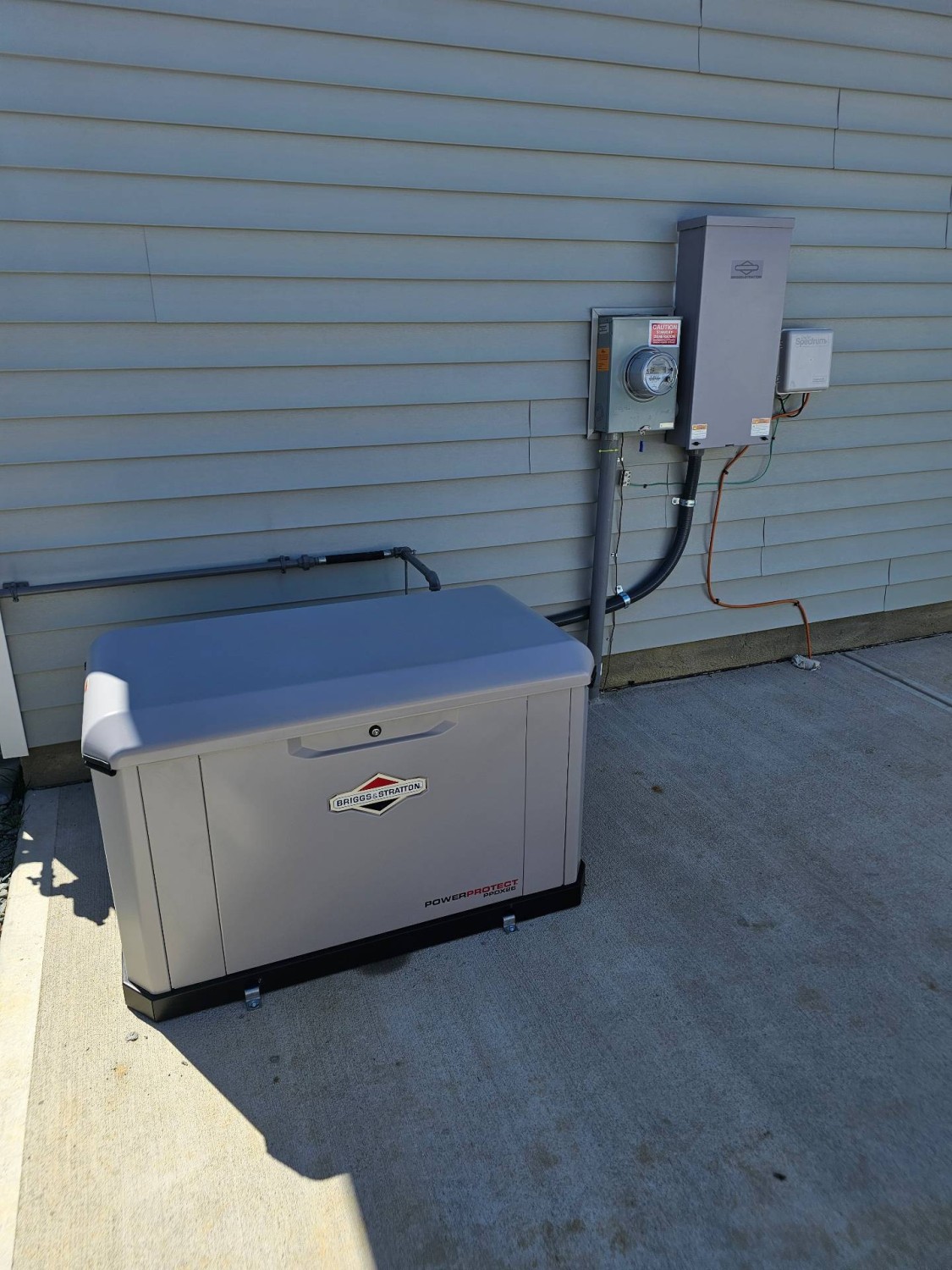
A standby generator sits outside your home and connects to your main electrical panel through a transfer switch. That transfer switch is the “traffic cop” that moves your home from utility power to generator power, and then back again.
Generac’s published transfer switch specs show a factory-set start delay of five seconds (adjustable). That small delay helps the system avoid reacting to quick utility blips that don’t turn into full outages.
We also plan your “must-have” loads so your generator does what you actually need in a storm, not what looks good on a brochure:
Backup power should feel boring. If your generator starts smoothly and your home stays steady, we did our job.
One safety point we never skip: we don’t connect a generator to a home’s electrical system without a properly installed transfer switch or approved interlock method. North Carolina’s labor safety guidance highlights the risk of electrocution to utility workers from backfeeding.
Once power returns, your home can see voltage spikes and fluctuations. That’s why we often recommend whole-home surge protection as part of a storm readiness setup.
North Carolina’s Electrical Code has included a service surge protective device requirement for dwelling unit services (based on National Electrical Code 230.67). In plain terms, surge protection at the service isn’t just a “nice extra” anymore—it’s part of how modern electrical safety is built.
We also verify grounding and bonding because surge protection only works well when the system has a solid path to carry surge energy away. Our installed PSP surge protectors even include a lifetime product warranty that covers replacement free of charge if electrical spikes damage the unit.
If you’re not sure what you have (or don’t have), ask for a grounding and surge check before the next big storm system rolls through.
Picking the right generator is about matching your home’s real needs, not guessing. We help homeowners in Wake Forest, Clayton, and Raleigh sort through whole-house models, essential-circuit setups, and portable options.
Both standby and portable generators can provide backup power. The right choice depends on how you want outages to feel: automatic and seamless, or more hands-on.
If you plan to use a portable generator, put safety at the top of the checklist. The Centers for Disease Control and Prevention advises placing generators outside more than 20 feet from doors, windows, and vents, and notes carbon monoxide kills more than 500 Americans each year.
Generator sizing is where good installs separate themselves from “it sort of works” installs. We start by listing what you want to run, and then we plan for startup surges, especially for HVAC.
Recent sizing guides commonly group many mid-size homes in the 15–22 kilowatt (kW) range, while larger homes can land in the 22–36 kW range, depending on electric heat, multiple HVAC systems, and other large loads. Here’s what we consider:
A pro-tip we share often: size for the house you live in, including planned upgrades like a finished basement or a future workshop circuit, so you do not outgrow your system.
Fuel choice affects how your system runs during extended outages and what trade work is needed during installation. Consider the following:
If you have a Clayton address, the Town of Clayton’s published permitting guidance makes it clear that a permit is needed for electric work, and the permit application materials also call out natural gas system details for projects that involve fuel piping.
We send Blue Beagle Electric’s certified experts to Wake Forest and Clayton to install whole‑house standby generators, set up transfer switches, coordinate permits, and test the system so your backup power works the way it should.
A clean install involves more than wiring and includes proper placement, fuel planning, code compliance, inspection scheduling, and a walkthrough that leaves you confident.
In the Triangle, generator installations usually require an electrical permit and sometimes a gas- or fuel-related permit, too. We handle the coordination and make sure the work is ready for inspection.
For Wake Forest addresses, the Town of Wake Forest inspections FAQ notes that you can request an inspection by calling its inspections line before 3:00 p.m. EST to schedule for the next working day. We build that kind of local process detail into the project plan so you are not stuck waiting.
Clearance rules matter as well. Industry guidance that summarizes the National Fire Protection Association’s (NFPA) 37 commonly references a 5-foot separation from openings and combustible features for certain generator installations, and manufacturer instructions can add requirements on top of that. We place units with those rules in mind and keep the exhaust direction and airflow in the plan from the start.
We stand ready to protect your home from storm outages, and we bring more than 15 years of generator and electrical experience to every job.
Our electricians size and place generators so essential systems stay powered, including refrigeration, heating, and cooling, and medical device circuits. We install the proper transfer equipment to prevent backfeeding to the grid, protecting your home and utility line workers. Our team coordinates permits and inspections to ensure smooth approvals and no last-minute surprises. From the initial walkthrough to startup, we communicate clearly and explain what to expect during your first real outage. We also back our work with warranty coverage and provide straightforward follow-up service.
Backup power should work on the day you need it, even if months pass between outages. That’s why we help homeowners set a simple maintenance rhythm.
Generac’s owner manuals include service schedules such as oil and filter changes based on annual intervals or operating hours (for certain air-cooled models, every year or 200 hours, with more frequent intervals in harsher conditions). Briggs & Stratton standby generator manuals commonly list oil and oil filter changes every 100 hours or annually.
For households with portable generators, we also recommend placing carbon monoxide alarms outside each sleeping area and on every level.
If storms knocking out power is on your mind, you’re asking the right questions. A solid generator installation turns outages into an inconvenience instead of an emergency. Our team at Blue Beagle Electric installs Generac and Briggs & Stratton models, and we back every job with at least a one-year labor warranty. Many dealer-installed models also qualify for extended limited warranty coverage, depending on the unit and registration details.
Want to talk through which option fits your home and budget, or how Acorn Finance can help? Contact us to schedule an assessment so you can feel ready before the next big storm.
Business Name: Blue Beagle Electric
Address: Fuquay-Varina, NC 27526
Phone: 919-215-6522
Business Hours:
Mon - Fri: 08:00 AM to 04:30 PM
Sat-Sun: Closed